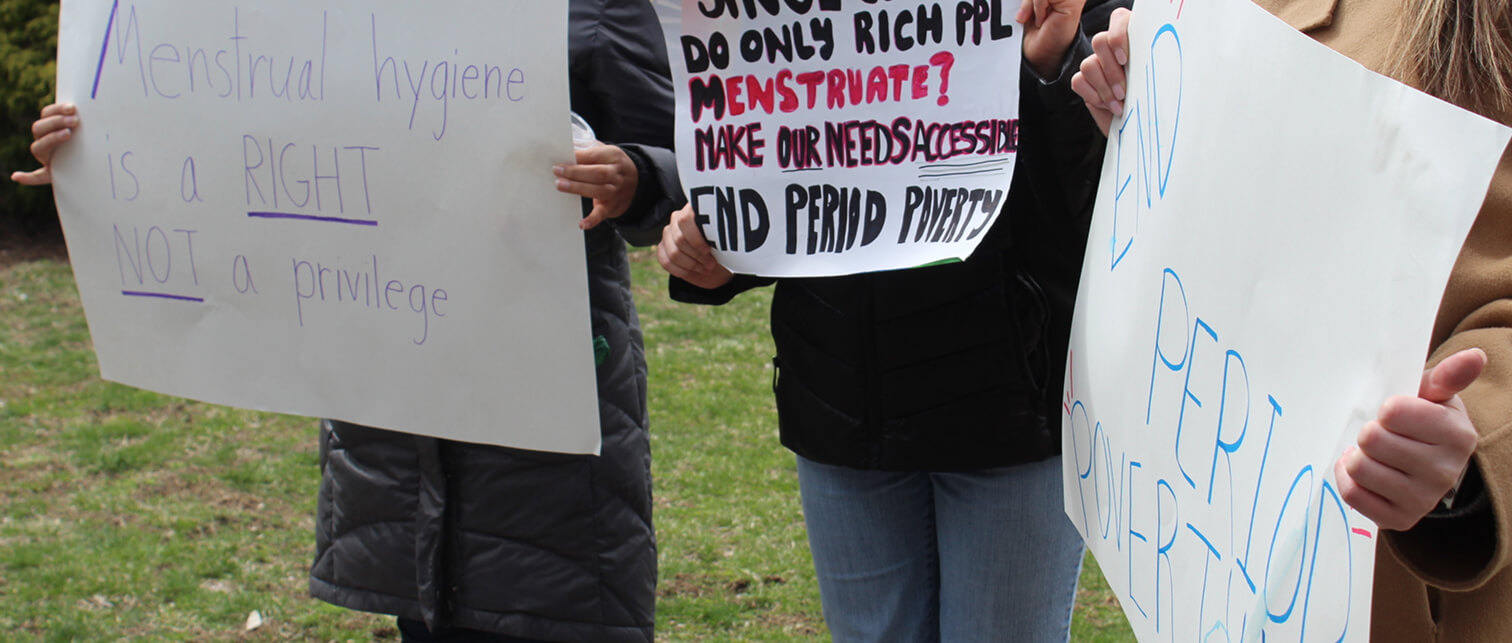

For decades, menstruators around the world have paid a hidden penalty: the so-called tampon tax. In dozens of countries and U.S. states, menstrual products are taxed as “luxury” or “non-essential” items, while bread, prescription medicine, and even Viagra are exempt. Outrage over this hypocrisy has fueled lawsuits challenging the tampon tax as discriminatory and unconstitutional.

The Legal Argument
The foundation of tampon tax lawsuits is simple: menstruation is involuntary and exclusive to people assigned female at birth. Taxing products required for a natural biological function amounts to gender-based discrimination. In the United States, plaintiffs have argued that tampon taxes violate the Equal Protection Clause of the Fourteenth Amendment.
Landmark Lawsuits
Global Momentum
Kenya was the first country to abolish its tampon tax in 2004. Since then, countries like Canada, India, and Australia have followed suit. Activists often combine lawsuits with mass campaigns to mobilize public outrage and force governments’ hands.
Pushback and Counterarguments
Governments often argue that eliminating tampon taxes will result in lost revenue. Yet economists note that the revenue is negligible compared to national budgets. In fact, the symbolism of ending discriminatory taxation far outweighs the financial loss.
Broader Impact Beyond Taxes
The tampon tax movement is not just about saving a few dollars. It reframes menstruation as an essential biological process and challenges governments to consider menstrual equity in broader policy-making. It’s a step toward normalizing conversations about periods and dismantling stigma.
Lawsuits over the tampon tax have proven powerful catalysts for legislative reform. They show how legal pressure, combined with activism, can challenge gender bias embedded in everyday policies. Menstrual equity is no longer confined to the supermarket aisle — it’s being debated in courtrooms, and the outcomes are reshaping public policy.